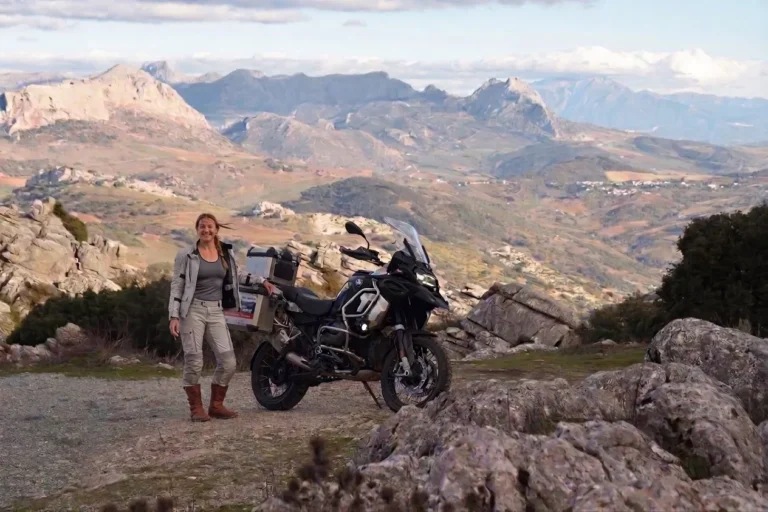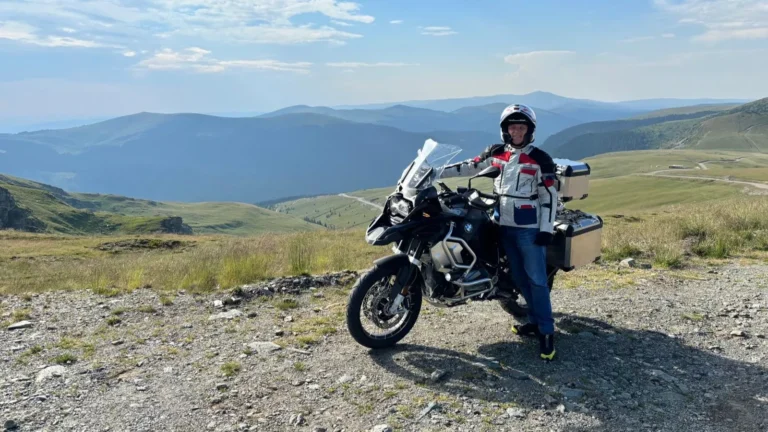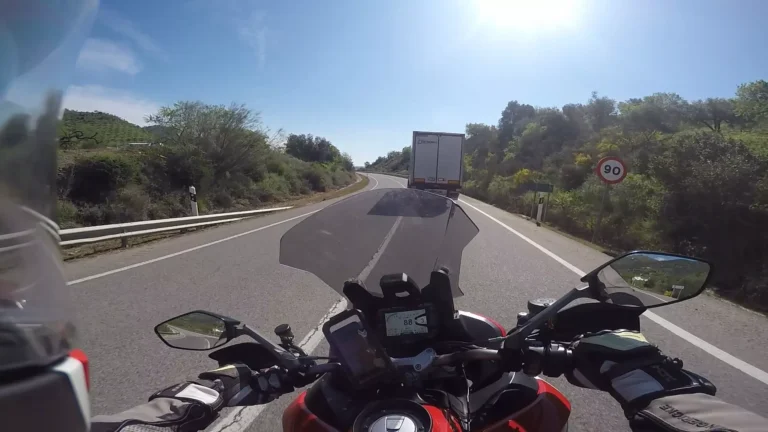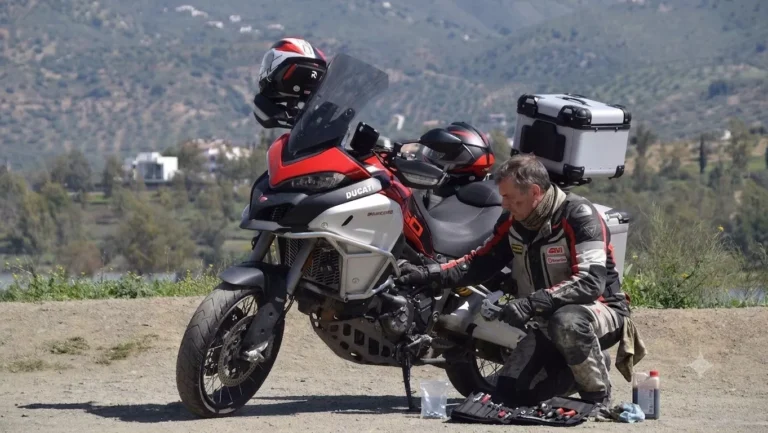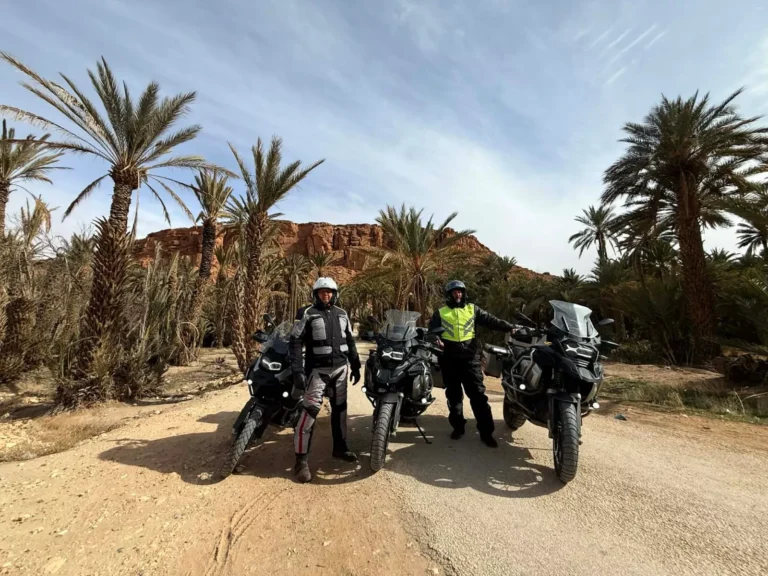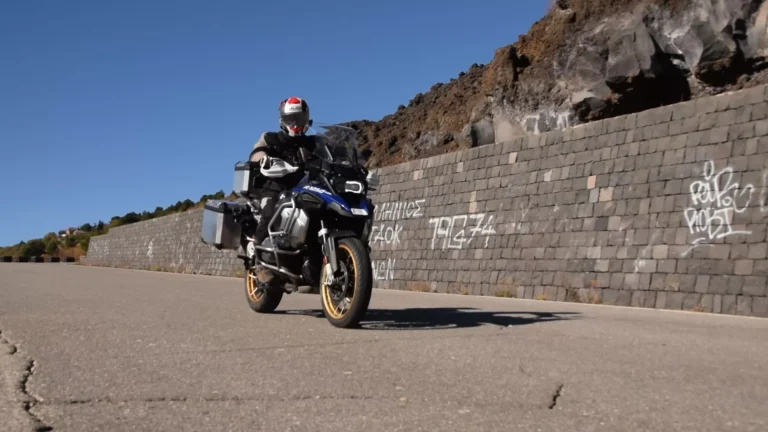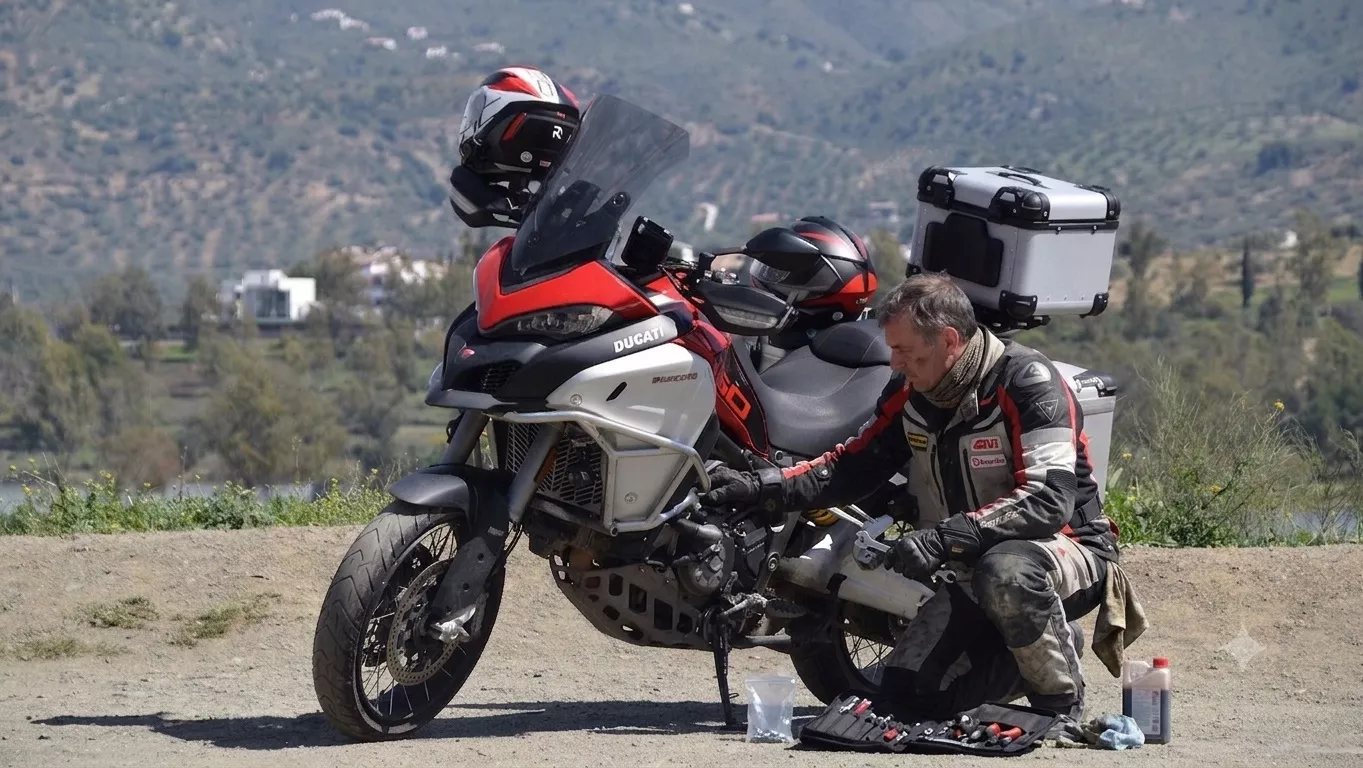
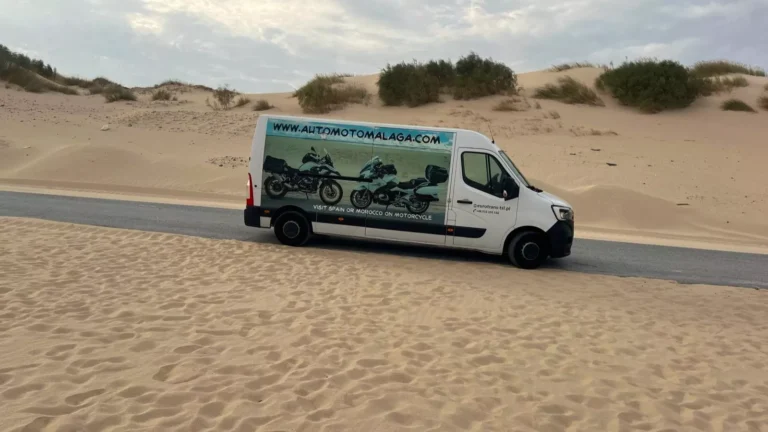
Riding a motorcycle through mountain passes, off-road trails, desert gravel roads, or winding European routes is one of the most unique ways to explore the world. An Adventure or Enduro motorcycle offers a level of freedom that is hard to find anywhere else – allowing you to leave the asphalt, reach places inaccessible by car, and experience a true adventure.
However, even the best touring motorcycle is not completely immune to failures.
Long distances, changing weather conditions, dust, mud, high temperatures, heavy luggage loads, and off-road riding mean that some motorcycle components are particularly exposed to wear and damage.
The good news is that most problems can be avoided with proper motorcycle preparation and knowledge of basic diagnostic principles.
In this guide, we explain:
- what the most common Adventure and Enduro motorcycle failures are,
- which issues occur most often during long-distance trips,
- how to recognize the first signs of potential problems,
- how to fix basic motorcycle failures on the road,
- which spare parts and tools are worth taking on an adventure,
- how to prepare your motorcycle before a multi-day journey,
- how to increase motorcycle reliability during off-road riding.
This knowledge is useful both for owners of motorcycles such as BMW GS, KTM Adventure, Honda Africa Twin, Yamaha Ténéré, Ducati Multistrada, Triumph Tiger, Suzuki V-Strom, as well as for riders using rental motorcycles for adventure trips.
Why Do Adventure and Enduro Motorcycles Fail During Trips?
Adventure motorcycles are designed to cover long distances and handle demanding conditions. They are among the most versatile machines in the world, but their versatility also means higher maintenance requirements.
During a typical adventure trip, a motorcycle can experience more stress within a few days than it would during several months of everyday city riding.
The biggest challenges for a touring motorcycle include:
1. High daily mileage
During Adventure trips, riders often cover:
- 300–600 km per day,
- many hours of continuous engine operation,
- long distances in high temperatures.
Components that normally wear slowly can reach their durability limits much faster.
This applies especially to:
- drive chains,
- tires,
- brake pads,
- engine oil,
- bearings,
- clutch.
2. Off-road riding
Gravel roads, rocks, sand, and mud increase mechanical stress on the motorcycle.
During off-road riding, the following components suffer the most:
- rims,
- spokes,
- suspension,
- engine guards,
- radiator,
- drive system.
A small stone hitting a critical component can end a trip if the motorcycle was not properly prepared.
3. Additional luggage and motorcycle load
An adventure motorcycle often carries:
- side panniers,
- a tent,
- clothing,
- tools,
- spare parts,
- water,
- electronics.
Extra weight affects:
- suspension performance,
- tire wear,
- brake temperatures,
- motorcycle handling while riding.
What Are the Most Common Motorcycle Failures During Long Trips?
Below is a list of the problems most commonly experienced by motorcycle travelers on long-distance journeys.
1. Dead Battery – One of the Most Common Motorcycle Failures
Symptoms:
A dead battery often happens without any previous warning.
Typical symptoms include:
- the motorcycle does not respond after turning the key,
- dashboard lights are weak,
- the starter motor turns very slowly,
- only a characteristic relay “click” can be heard,
- the electronics reset during starting.
In Adventure motorcycles, this problem is especially common because many models are equipped with advanced electronics:
- ABS systems,
- traction control,
- electronic suspension,
- heated grips,
- additional USB sockets,
- GPS navigation.
Every additional electrical device increases the load on the motorcycle’s electrical system.
Why Do Motorcycle Batteries Discharge?
The most common causes:
Leaving the Motorcycle Parked
Sometimes a motorcycle remains unused for several days without being started.
Modern motorcycles consume a small amount of energy even after the ignition is switched off.
Worn Battery
The typical lifespan of a motorcycle battery is approximately:
- 3–5 years under normal conditions,
- less with frequent off-road riding,
- less in high temperatures.
Charging System Problems
The battery itself may be in good condition, but the alternator or voltage regulator may not be providing enough power.
How to Prevent Battery Discharge?
Before your trip:
✅ check the battery voltage,
✅ perform a charging system test,
✅ clean the battery terminals,
✅ check ground cables,
✅ do not install additional electronics without checking the electrical load.
The correct resting voltage of a fully charged battery:
- approximately 12.6–12.8 V for a standard 12 V battery.
With the engine running, charging voltage should usually be around:
- 13.8–14.5 V.
What to Do If the Battery Dies During a Trip?
Method 1: Jump Starting with Cables
The simplest solution.
You can use:
- another motorcycle,
- a car,
- a portable jump starter.
When connecting the cables:
- connect positive (+) to positive,
- connect negative (-) to the motorcycle frame or battery negative terminal,
- start the engine,
- remove the cables in reverse order.
Method 2: Portable Jump Starter
For Adventure trips, this is one of the most practical pieces of equipment.
A small device that fits in your luggage can save your journey in a location far away from civilisation.
Method 3: Push Starting
Possible only in certain situations.
It does not work or may be risky in the case of:
- motorcycles with automatic transmissions,
- many models with electronic engine management,
- a completely discharged battery.
How to Prepare Your Battery Before a Trip?
Checklist:
☐ check the battery age
☐ measure the voltage
☐ check alternator charging
☐ take a small jump starter
☐ protect terminals against corrosion
2. Flat tire – one of the most common Adventure motorcycle problems
A flat tire is probably the most common issue encountered during motorcycle travel.
Especially during:
- gravel riding,
- travelling on rocky roads,
- adventures outside Europe.
The most common causes of tire damage are:
- nails,
- sharp stones,
- metal objects on the road,
- sidewall cuts,
- rim damage caused by riding with low tire pressure.
Symptoms of a punctured tire:
- sudden loss of stability,
- motorcycle feeling like it is “floating”,
- heavier steering,
- loss of tire pressure,
- visible tread damage.
Tubeless or tube tires – which are better?
Both solutions have their advantages.
Tubeless tires
Advantages:
- easier repairs on the road,
- possibility of using a tire repair kit,
- slower air loss after a puncture.
Disadvantages:
- more difficult repairs in case of major damage,
- require an airtight rim.
Tube tires
Advantages:
- better performance in demanding terrain,
- possibility of replacing the inner tube.
Disadvantages:
- repairs are more time-consuming,
- require removing the tire.
How to repair a motorcycle puncture on the road?
Tubeless tire:
You will need:
- tire plug repair kit,
- reamer tool,
- glue,
- 12V compressor or pump.
Procedure:
- locate the puncture,
- remove the object causing the damage,
- clean the hole,
- install the repair plug,
- inflate the tire,
- check for leaks.
Tube-type tyre:
The best solution is:
- replacing the inner tube,
- using a patch as an emergency repair solution.
For off-road trips, it is worth carrying:
- a spare front inner tube,
- a spare rear inner tube,
- tyre levers,
- a small compressor.
3. Worn or Damaged Drive Chain
The drivetrain is one of the most heavily loaded components of an Adventure or Enduro motorcycle. During a long journey, it operates in dust, mud, water, sand, and under heavy loads caused by carrying luggage. Neglecting maintenance can lead not only to expensive repairs but also to dangerous situations while riding.
Symptoms of a Worn Chain
The first signs of problems often appear gradually:
- metallic knocking sounds when starting,
- jerking when accelerating,
- uneven chain tension,
- difficulty with proper adjustment,
- visible corrosion,
- stiff links,
- uneven sprocket wear.
If the chain tension changes significantly while rotating the wheel, it means the drivetrain is heavily worn and approaching the end of its service life.
Why Does the Chain Wear Faster During Long Trips?
The most common causes are:
- lack of lubrication,
- riding in rain,
- sand acting like sandpaper,
- mud getting between the chain links,
- a chain that is too tight,
- a chain that is too loose,
- an overloaded motorcycle.
During a trip covering several thousand kilometres, the chain may require lubrication even every day.
How to Avoid Drivetrain Problems?
The best method is regular maintenance.
Before the trip:
- check the thickness of the sprocket teeth,
- inspect the condition of rollers and links,
- clean the entire drivetrain,
- lubricate it with a suitable product.
During the trip:
- lubricate the chain every 500–700 km,
- after every intensive ride in the rain,
- after riding through mud,
- after washing the motorcycle.
If your journey is mainly on gravel roads, it is worth performing a daily inspection.
What to Do If the Chain Comes Off?
If it has not been damaged:
- Turn off the engine.
- Place the motorcycle in a stable position.
- Loosen the rear wheel axle.
- Put the chain back onto the sprocket.
- Adjust the chain tension.
- Tighten all bolts according to the recommended torque.
Never attempt to install a chain while the engine is running.
What to Do If a Chain Link Breaks?
This is one of the more serious failures.
If you have:
- a spare chain link,
- a connecting clip,
- a chain riveting tool,
you can perform an emergency repair.
If not, continuing the ride is very risky and may lead to damage of the engine or swingarm.
4. Clutch problems
The clutch works practically throughout the entire ride, and during steep climbs or off-road riding it is exposed to particularly high loads.
Symptoms of clutch wear
Most riders notice:
- difficulty starting off,
- clutch slipping,
- engine revs increasing without acceleration,
- a stiff clutch lever,
- difficulty changing gears,
- a smell of burnt clutch lining.
Why does the clutch overheat?
The most common causes are:
- prolonged riding with the clutch partially engaged,
- very demanding terrain,
- overloading the motorcycle,
- incorrect engine oil,
- natural wear of the clutch plates.
How to prevent clutch failure?
While riding:
- avoid holding the clutch halfway for a long time,
- use first gear on steep climbs,
- allow the motorcycle to operate at the correct RPM range.
Regularly check:
- hydraulic fluid level,
- cable free play (if applicable),
- system leaks.
What to do on the road?
If the clutch starts slipping:
- reduce the motorcycle load,
- avoid sudden acceleration,
- ride at a calmer pace.
- if your motorcycle has electronic riding modes, select the “Rain” mode.
If the problem is caused by the clutch cable:
- check its adjustment,
- check whether it is frayed,
- lubricate it if the design allows it.
Carrying a spare clutch cable is a good idea during long-distance trips.
5. Engine overheating
Adventure motorcycle engines are designed to handle high loads, but even they have their limits.
Overheating most often occurs during:
- riding through deep sand,
- slow technical off-road riding,
- high air temperatures,
- long rides in traffic jams,
- cooling system damage.
Symptoms of overheating
The most common signs include:
- high temperature warning message,
- frequently running cooling fan,
- smell of hot coolant,
- loss of power,
- uneven engine operation.
Do not ignore these warning signs. Continuing to ride may lead to head gasket damage or even engine seizure.
How to prevent overheating?
Before your trip, check:
- coolant level,
- condition of hoses,
- radiator condition,
- cooling fan operation.
Regularly remove:
- mud,
- insects,
- leaves,
- stones blocking airflow.
What to do when the temperature rises suddenly?
- Stop in a safe place.
- Do not switch off the engine immediately if the manufacturer recommends letting it idle for a short time.
- Allow the cooling fan to operate.
- Do not open the radiator cap while the engine is hot.
- After cooling down, check the coolant level.
6. Damaged radiator
The radiator is particularly vulnerable when riding off-road.
The most common causes of damage are:
- stones,
- branches,
- motorcycle crashes or falls,
- corrosion,
- leaking hoses.
Symptoms
- coolant leak,
- wet radiator,
- rising engine temperature,
- sweet smell of coolant.
How to protect the radiator?
The best solution is to install:
- a radiator guard,
- crash bars,
- additional side protection.
Such accessories can often help avoid expensive repairs during a trip.
Emergency repair on the road
If the leak is small:
- use a special cooling system sealant (only as a temporary solution),
- check the coolant level regularly,
- ride at a moderate pace to the nearest workshop.
7. Fuel problems
This is one of the most frequently overlooked causes of breakdowns during travel.
Problems occur especially in countries where fuel quality differs from European standards.
Symptoms
- uneven engine operation,
- engine stalling,
- difficulty starting,
- loss of power,
- jerking during acceleration.
Possible causes
- contaminated fuel,
- water in the fuel tank,
- clogged fuel filter,
- damaged fuel pump,
- old fuel.
How to avoid problems?
During long-distance trips:
- refuel at trusted fuel stations,
- do not allow the fuel tank to become completely empty,
- replace the fuel filter according to the service schedule,
- consider using a filter when refueling from a fuel canister.
What to do on the road?
If you suspect poor-quality fuel:
- do not overload the engine,
- refuel with fresh fuel at the first opportunity,
- replace the fuel filter if possible.
8. Dirty air filter
This is a particularly common problem when riding on gravel roads and desert trails.
The engine requires large amounts of clean air. Even a small restriction in airflow affects its operation.
Symptoms
- loss of power,
- increased fuel consumption,
- uneven engine operation,
- difficulty accelerating,
- darker exhaust smoke.
How often should the air filter be checked?
During road touring:
every approximately 8,000–12,000 km.
During off-road riding:
even daily.
What to do on the road?
If the filter is a foam type:
- wash it,
- dry it,
- re-oil it.
If it is a paper filter:
- clean it gently,
- replace it at the first opportunity.
9. Brake system problems
The braking system is one of the most important safety systems on a motorcycle. Even a slight decrease in its performance can significantly increase braking distance, especially when riding with full luggage or a passenger.
On Adventure and Enduro motorcycles, brakes operate in extremely demanding conditions. Dust, mud, sand, stones, and frequent temperature changes accelerate the wear of brake pads, discs, and brake fluid.
Symptoms of brake problems
The most common symptoms include:
- soft brake lever,
- increased braking distance,
- squeaking during braking,
- brake lever pulsation,
- handlebar vibrations while braking,
- brake fluid leak,
- illuminated ABS warning light.
Common causes
Brake problems may result from:
- worn brake pads,
- overheated brake discs,
- old brake fluid,
- air in the braking system,
- damaged brake lines,
- dirty brake calipers,
- seized pistons.
How to prevent failures?
Before every major trip, it is worth checking:
- brake pad thickness,
- condition of the brake discs,
- fluid level,
- date of the last brake fluid change,
- ABS operation.
If you are planning a trip covering several thousand kilometres, replacing the brake pads before departure is often a wiser choice than risking them wearing out halfway through the journey.
What to do on the road?
If the brake lever becomes soft:
- Stop the motorcycle.
- Check the fluid level.
- Check whether there are any leaks.
- Inspect the brake pad thickness.
- If the system contains air, do not continue riding at high speed.
Never ignore worsening braking performance.
10. Damaged rims and spokes
During off-road riding, wheels are subjected to enormous loads.
The most common damage occurs after:
- hitting a rock,
- riding into a deep pothole,
- landing from a jump or a large drop,
- riding with excessively low tyre pressure.
Symptoms
- handlebar vibrations,
- wheel wobble,
- uneven riding,
- loss of tyre pressure,
- audible knocking noises.
How to check the wheel?
After lifting the motorcycle:
- rotate the wheel,
- observe the rim,
- check all spokes,
- assess spoke tension.
A loose spoke can lead to damage of the entire wheel.
What to do during a breakdown on the road?
If the rim is slightly bent:
- reduce speed,
- increase caution,
- ride to a service point.
If the rim is cracked:
continuing to ride may be dangerous.
11. Suspension Failures
Modern Adventure motorcycles are equipped with highly advanced suspension systems.
Although they are durable, intensive use can lead to damage.
Symptoms
- oil leaks from the fork legs,
- reduced stability,
- suspension bottoming out,
- uneven shock absorber operation,
- knocking noises.
Most common causes
- damaged seals,
- corrosion of fork legs,
- dirt contamination,
- overloading the motorcycle,
- repeated heavy impacts.
How to avoid problems?
Regularly:
- clean the fork legs,
- inspect the seals,
- set the correct preload,
- adjust the suspension to the luggage weight.
What to do during a breakdown on the road?
If a small leak appears:
- clean the seal,
- remove dirt and debris,
- limit riding over large bumps.
12. Electronics Problems
Modern touring motorcycles can contain even several dozen electronic control units.
The most common problems involve:
- ABS sensors,
- traction control,
- quickshifter,
- side stand sensor,
- clutch sensor,
- gear position sensor,
- communication modules.
Symptoms
- warning lights coming on,
- engine unable to start,
- reduced power output,
- ABS switched off,
- traction control switched off.
What most often causes failures?
- moisture,
- mud,
- damaged wiring,
- loose electrical connectors,
- dirty sensors.
What to do when problems occur on the road?
First:
- turn off the ignition,
- wait a few minutes (on newer motorcycles even up to an hour),
- restart the motorcycle.
If the problem remains:
- check the fuses,
- check the electrical connectors,
- inspect the wiring near the handlebars and swingarm.
Many so-called “electronic failures” turn out to be nothing more than a dirty ABS sensor.
13. Lighting Failure
Although it may seem like a minor issue, faulty lights can end a trip, especially after dark or when crossing borders.
Most common causes
- burned-out bulb,
- blown fuse,
- broken wire,
- damaged connector.
What is worth carrying?
During a trip, it is useful to have:
- spare bulbs (if the motorcycle uses them),
- fuses,
- electrical tape,
- multimeter.
14. Damaged Electrical Wires
During off-road riding, wiring is constantly exposed to movement and stress.
It can become:
- chafed,
- cut,
- torn out during a fall.
Symptoms
- motorcycle stalls,
- no lights,
- random errors,
- no charging.
Emergency repair
Useful items include:
- gas soldering iron,
- quick connectors,
- heat-shrink tubing,
- self-vulcanizing tape.
This is a small kit that can save a multi-day expedition.
How to diagnose a motorcycle yourself on the road?
Experienced motorcyclists follow a simple rule:
First, look for the simplest possible cause.
Before assuming that the motorcycle’s computer is damaged, check:
✅ fuel level
✅ fuses
✅ battery
✅ battery terminals
✅ kill switch
✅ side stand
✅ clutch sensor
✅ wiring
✅ electrical connectors
Many faults turn out to be minor issues that can be fixed within a few minutes.
What tools are worth carrying on every expedition?
A professional tool kit does not have to be heavy.
It should include:
Basic tools
- set of Allen keys,
- Torx keys,
- sockets,
- ratchet handle,
- pliers,
- combination pliers,
- small hammer.
Drivetrain tools
- chain brush,
- chain lubricant,
- master link,
- chain link,
- chain breaker/riveter tool.
Tire tools
- 12 V compressor,
- pressure gauge,
- repair kit,
- tire levers,
- spare inner tubes (if the motorcycle uses them).
Electrical equipment
- multimeter,
- spare fuses,
- cable ties,
- electrical tape,
- electrical wire,
- voltage tester.
Consumable materials
- repair tape,
- epoxy glue,
- steel wire,
- tow rope,
- work gloves,
- headlamp.
Motorcycle breakdown on the road
Even the best-prepared motorcycle can suffer a breakdown. The good news, however, is that most problems can be effectively prevented through regular servicing, daily checks of basic components, and proper preparation before a trip.
The most common failures of Adventure and Enduro motorcycles involve the drivetrain, tires, battery, brakes, cooling system, and electrical system. In many cases, the first warning signs appear much earlier, so it is worth reacting immediately instead of hoping the problem will fix itself.
During a long journey, it is also worth carrying basic tools, a tire repair kit, and some of the most commonly used consumable spare parts. A small set of equipment can make it possible to continue the trip and avoid expensive transportation to a workshop.
However, the most important thing is this – a motorcycle should be prepared for an expedition before the first kilometer. Proper servicing and technical inspection have the greatest impact on a safe and trouble-free journey.
Choose a motorcycle ready for a great adventure
If you are planning a motorcycle trip through Europe or Morocco, it is worth starting your journey on a motorcycle that has been professionally prepared for long-distance travel.
At the motorcycle rental company Motorland.rent, all motorcycles are regularly serviced according to the manufacturers’ maintenance schedules and undergo a detailed technical inspection before every rental. This allows you to focus on discovering new places instead of worrying about the condition of the motorcycle.
This is especially important during multi-day trips through the Alps, the Balkans, the Pyrenees, Scandinavia, or the off-road routes of Morocco, where motorcycle reliability is crucial.
If a technical issue occurs during your journey despite all preparations, the motorcycle rental company Motorland.rent provides service support. Depending on the location and circumstances, customers can have access to service vehicles and replacement motorcycles, meaning that a breakdown does not have to end your dream holiday. The goal is to get you back on the road as quickly as possible and minimize downtime.
Thanks to this, you can focus on what matters most in motorcycle travel – covering new kilometers, discovering extraordinary places, and enjoying the ride.