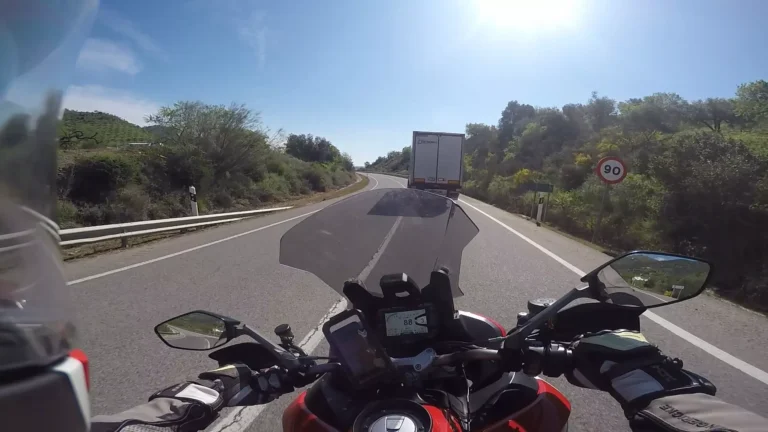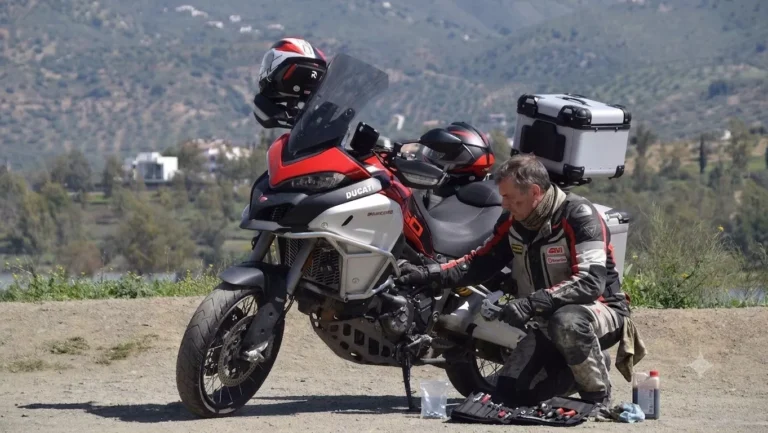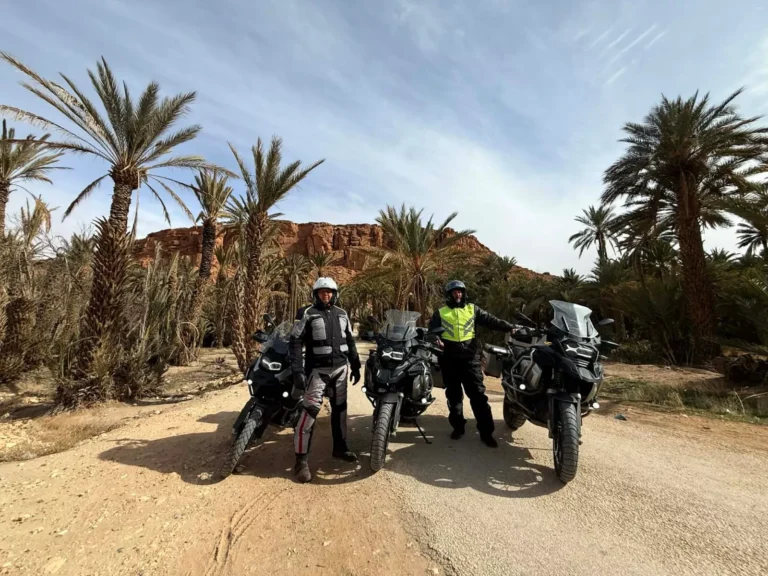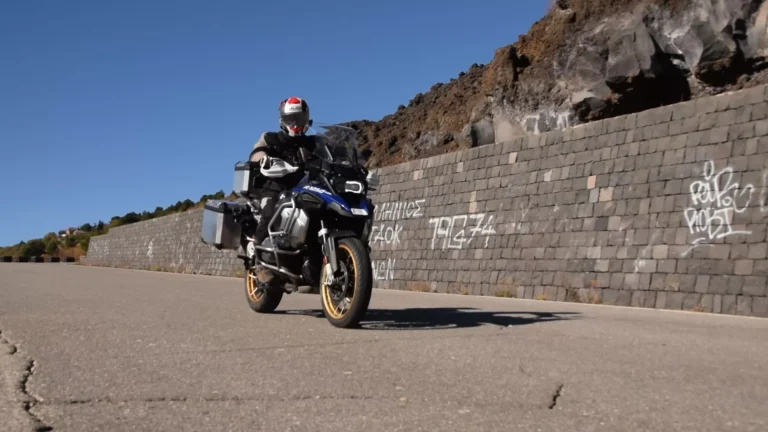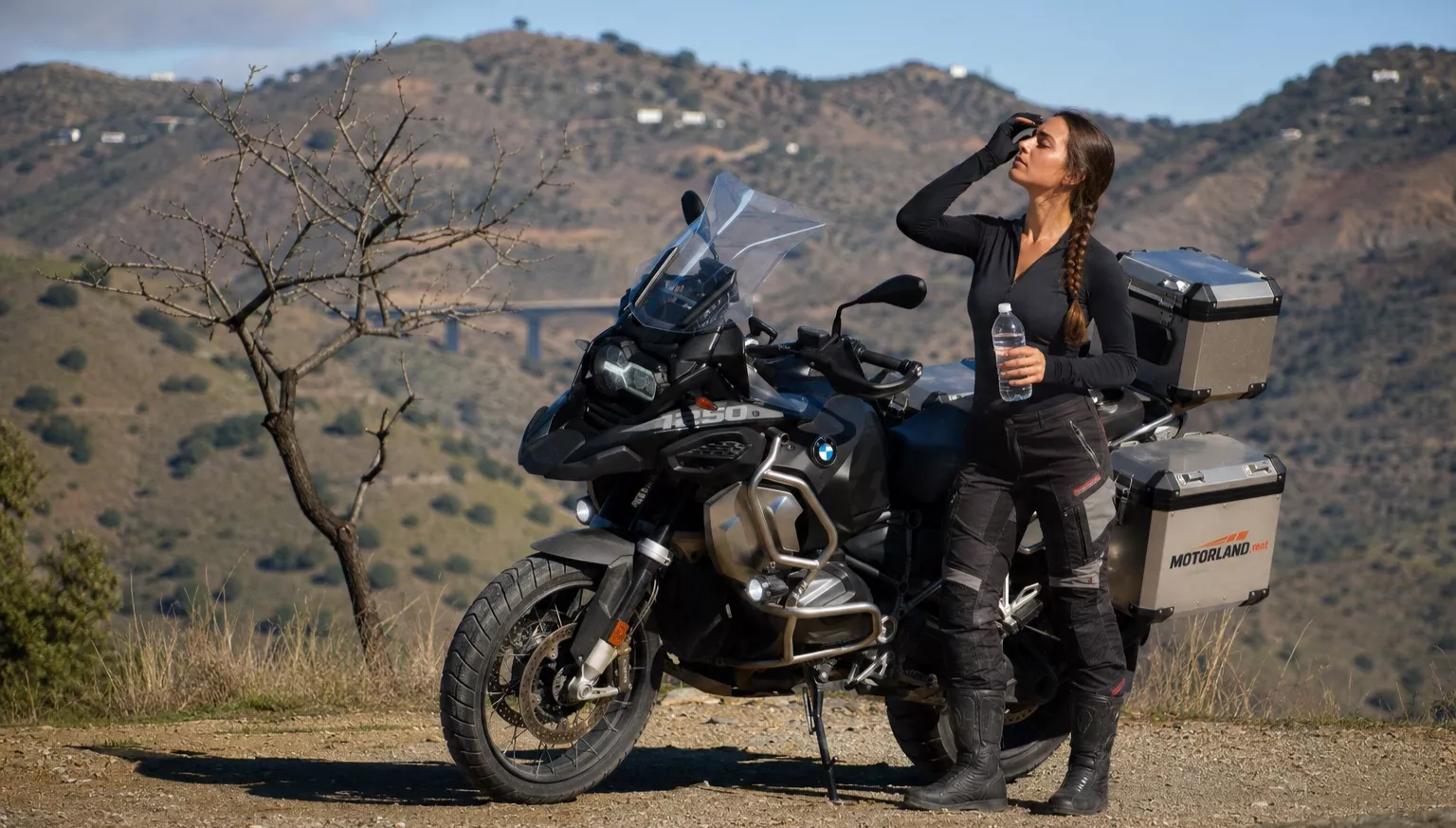
Riding a motorcycle in summer – pleasure and challenge
Summer is one of the best times for motorcycle travel. Long days, great weather, and dry roads make thousands of riders across Europe, the USA, and Australia plan long two-wheel adventures. However, riding a motorcycle in high temperatures requires proper preparation.Whether you’re traveling through Andalusia in Spain, California in the United States, southern France, Italy, or the Australian coast, high temperatures can significantly affect riding safety.
Overheating, dehydration, and fatigue are among the most common risks during summer motorcycle trips. In this guide, we explain how to ride safely in hot weather and effectively protect yourself from the sun.
Why can riding a motorcycle in hot weather be dangerous?
While riding, a motorcyclist is exposed to several heat sources at the same time:
- direct solar radiation,
- high air temperature,
- heat emitted by the engine,
- hot asphalt reflecting sunlight,
- limited ability to cool down during stops.
At temperatures exceeding 30–35°C, the body begins to lose water and electrolytes more quickly. Concentration decreases, reaction time increases, and the risk of making mistakes while riding grows.
In countries such as Spain, Portugal, Greece, southern Italy, Australia, or the southern states of the USA, road temperatures can exceed even 45°C.
How to recognize dehydration while riding a motorcycle
Early signs of dehydration are often ignored by motorcyclists.
Watch for:
- dry mouth,
- headache,
- dizziness,
- difficulty concentrating,
- muscle cramps,
- excessive fatigue,
- drowsiness.
If you notice any of these symptoms, stop in the shade and replenish fluids.
1. Drink water before you feel thirsty
The most important rule when riding in high temperatures is:
stay hydrated regularly.
Thirst appears only when the body is already partially dehydrated.
Best practices:
- drink 500–700 ml of water before departure,
- carry at least 2–3 liters of fluids,
- take breaks every 60–90 minutes,
- use hydration systems such as CamelBak,
- replenish electrolytes during full-day rides.
Avoid excessive coffee and energy drinks, which may increase fluid loss.
2. Choose appropriate motorcycle clothing for summer
Many beginner riders assume that riding in a T-shirt will feel cooler than wearing a motorcycle jacket.
This is one of the most common mistakes.
Modern mesh motorcycle gear provides:
- protection against UV radiation,
- effective ventilation,
- protection in case of a fall,
- better body temperature regulation.
The following work best:
Mesh jackets
Special mesh panels allow airflow even in very high temperatures.
Breathable thermal base layers
They wick moisture away from the skin and improve comfort during long rides.
Light-colored clothing
Light colors reflect more sunlight than black clothing.
3. Protect your skin from UV radiation
UV radiation is also present while riding a motorcycle.
The most exposed areas are:
- face,
- neck,
- nape,
- hands,
- wrists.
Before every ride, apply sunscreen with SPF 50.
During long trips, it is worth reapplying sunscreen during stops.
4. Ensure proper helmet ventilation
The helmet is the most important piece of motorcycle gear, but in hot weather it can cause discomfort.
A good touring helmet should include:
- adjustable air vents,
- efficient ventilation system,
- moisture-wicking liner,
- quick visor opening for stops.
Regular cleaning of ventilation channels improves airflow.
5. Avoid riding during the hottest hours of the day
In many regions of the world, the highest temperatures occur between 1:00 PM and 5:00 PM.
If you are planning a long ride:
- set off early in the morning,
- take advantage of the cooler morning hours,
- take a longer lunch break,
- resume riding in the late afternoon.
Experienced motorcyclists traveling through Spain, Portugal, or the southern United States often plan their trips this way.
6. Watch out for overheating
Heat exhaustion is a well-known issue among motorcyclists traveling in summer.
Symptoms:
- heavy sweating,
- weakness,
- nausea,
- dizziness,
- rapid heart rate,
- confusion.
In such a situation, you should immediately stop riding, find a cool place, and rehydrate your body.
Best motorcycle routes in warm climates
Despite high temperatures, many regions around the world offer fantastic riding conditions.
The most popular include:
Andalusia – Spain
- Costa del Sol
- Málaga
- Marbella
- Ronda
- Sierra Nevada
California – USA
- Pacific Coast Highway
- Los Angeles
- San Diego
- Big Sur
Australia
- Great Ocean Road
- Queensland Coast
- New South Wales
In each of these regions, proper preparation for riding in hot weather is crucial for safety.
Motorbike rental in Spain during summer
Southern Spain is one of the most popular destinations for motorcyclists from Europe, North America, and Australia.
The Costa del Sol region offers:
- over 300 sunny days per year,
- excellent road quality,
- mountain switchbacks,
- picturesque Mediterranean coastline.
Before renting a motorcycle in summer, it is worth preparing appropriate summer riding gear, a hydration system, and a plan for regular stops.
Also remember that Motorland is a motorcycle rental company in Málaga located just 10 minutes from the airport.
FAQ – Frequently Asked Questions
What temperature is too high for riding a motorbike?
There is no single threshold temperature, but above 35°C you should pay special attention to hydration and frequent breaks.
Can you ride a motorcycle in a T-shirt during hot weather?
We say NO, although the regulations do not prohibit it. A motorcycle jacket with ventilation panels provides better protection from the sun and greater safety in case of a fall.
How often should you drink water while riding?
It is best to take small amounts of fluids every 15–20 minutes, especially during all-day rides.
Is sunscreen necessary under the helmet?
Yes. UV rays can reach the face through the visor and during stops.
What are the first signs of overheating?
Headache, dizziness, weakness, nausea, and difficulty concentrating.
Riding a motorcycle in hot weather can be extremely enjoyable if you properly prepare yourself and your equipment. Regular hydration, breathable motorcycle clothing, sun protection, and sensible route planning significantly increase safety during the trip.
Whether you’re exploring Andalusia, California, or Australia, remember that a rider’s thermal comfort has a direct impact on concentration, reaction time, and road safety.