
Buying a motorcycle is usually driven by emotion, freedom, and the dream of the open road. The problem starts when that dream machine spends more time in the workshop than on highways. Over the decades, the American motorcycle market has seen several models that gained a reputation not for performance or style, but for chronic reliability issues, expensive repairs, and mechanical frustrations that tested the patience (and wallets) of many owners.
Interestingly, many of these motorcycles were still popular, desirable, and even iconic. Some looked amazing. Others offered thrilling performance. But after a few thousand miles, problems began to surface.
Below are some of the most discussed and criticized motorcycles in the United States when it comes to long-term reliability.
1. Harley-Davidson AMF Era Models
When a legendary brand nearly lost its reputation
For many Americans, Harley-Davidson represents freedom, heritage, and classic motorcycling culture. However, motorcycles produced during the AMF ownership era in the 1970s are still widely regarded as some of the least reliable Harley models ever made.
After AMF acquired the company, production was accelerated aggressively. Quality control dropped dramatically, and bikes began leaving factories with a long list of issues.
Major problems
Oil leaks everywhere
This was the most infamous issue. The older Shovelhead engines suffered from poor sealing and inconsistent build quality.
Owners often joked:
“Harley marking its territory.”
In reality, it meant oil leaks appearing from:
- head gaskets
- primary covers
- transmission seals
- oil lines
Many owners reported that after long rides, the motorcycle looked like it had “sweated oil.”
Severe vibrations
The Shovelhead engines produced extreme vibration levels. This led to:
- loosening bolts
- cracked brackets
- failing exhaust mounts
- damaged electrical connections
On American forums, owners often wrote:
“Every ride was basically self-disassembly.”
Some riders routinely checked and tightened bolts after every trip.
Electrical system failures
The electrical systems of the era were notoriously unreliable:
- charging system failures
- weak regulators
- ignition problems
- faulty lights
- starter issues
Many riders carried spare parts and basic tools at all times.
Starting problems
Hot starts were especially problematic:
- engines refusing to restart when warm
- flooded spark plugs
- unstable idle
- stalling issues
Mechanics at the time often said these bikes were better suited for garages than daily commuting.
2. Buell Blast
A beginner bike that often discouraged beginners
Buell designed the Blast as an affordable entry-level motorcycle. In theory, it was supposed to be simple, lightweight, and beginner-friendly.
In practice, many riders found it frustrating and poorly refined.
Intense vibrations
The single-cylinder engine produced extreme vibration levels.
At higher RPM:
- mirrors became unusable
- hands went numb
- fasteners loosened over time
Owners often said:
“The bike vibrated harder than it accelerated.”
Carburetor issues
The carburetor was a constant source of trouble:
- hard starting
- uneven idle
- stalling at stops
- sensitivity to weather changes
Some riders claimed the bike behaved differently depending on temperature and humidity.
Belt drive issues
While belt drive was supposed to reduce maintenance, it introduced its own problems:
- premature belt wear
- expensive replacement costs
- limited availability of parts
Overall build quality
Common complaints included:
- cheap plastics
- poor fit and finish
- corrosion issues
- fast component wear
The Blast is still often mentioned as one of the least refined beginner motorcycles ever sold in the US.
3. Suzuki TL1000S
The “Widowmaker” reputation
In the late 1990s, Suzuki attempted to build a high-performance V-twin competitor to Ducati. The result was fast, aggressive—and controversial.
The TL1000S quickly earned the nickname:
“Widowmaker.”
Dangerous instability
The biggest issue was the rotary rear shock design.
At high speeds, the bike could:
- develop instability mid-corner
- exhibit unpredictable handling
- feel nervous under acceleration
One rider famously said:
“The bike tried to kill me.”
High-speed headshake
The motorcycle was known for violent headshake:
- especially under hard acceleration
- during wheelies
- on uneven surfaces
Suzuki later added steering dampers to reduce the issue.
Heat management problems
The V-twin engine produced significant heat:
- excessive heat in traffic
- discomfort for the rider’s legs
- cooling system stress in stop-and-go riding
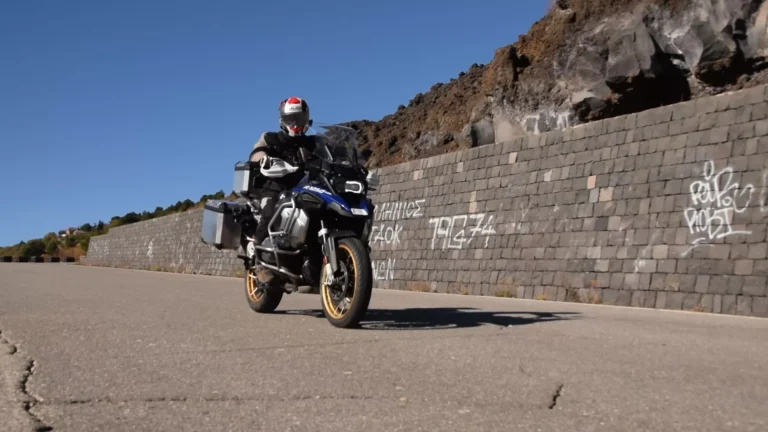
4. BMW R1200GS
A legendary adventure bike with expensive weaknesses
BMW built one of the most iconic adventure motorcycles in history. However, early R1200GS models had several well-known reliability concerns.
Final drive failures
One of the most infamous issues.
The final drive unit could:
- develop excessive play
- leak oil
- make loud noises
- fail completely
Repairs were often extremely expensive.
Riders often said:
“I trusted the bike until the final drive exploded.”
Electronics problems
BMW introduced advanced electronics early, which led to issues such as:
- ABS faults
- sensor failures
- immobilizer malfunctions
- random warning lights
A common joke among owners:
“German engineering means expensive warning lights.”
Maintenance costs
Even minor repairs were costly:
- expensive OEM parts
- high labor rates
- dealer-only service requirements
For many riders, a breakdown during a trip meant a financial nightmare.
5. Ducati 1098
A beautiful superbike that loved the workshop
Ducati has always built emotionally charged motorcycles, but older models were often expensive to maintain.
The 1098 was no exception.
Desmodromic valve service
The most famous Ducati maintenance requirement:
- expensive valve adjustments
- specialized labor required
- frequent service intervals
- high ownership costs
A common saying among owners:
“Buying the bike is the cheap part.”
Electrical issues
Common problems included:
- sensor failures
- ECU glitches
- charging system issues
- dashboard errors
Heat problems
The 1098 was known for running hot:
- extreme heat in city riding
- discomfort for the rider
- constant fan operation
6. Can-Am Spyder
A futuristic concept with electronic headaches
Early Spyder models introduced a new three-wheel concept, but suffered from electronic reliability issues.
Random system errors
Owners reported:
- unexplained warning messages
- limp mode activation
- stability system faults
- steering assist failures
Heat buildup
The design caused:
- excessive heat around the rider
- discomfort in traffic
- poor heat management in slow riding
Expensive repairs
After warranty:
- high-cost electronic diagnostics
- limited independent repair options
- expensive proprietary parts
Why do these motorcycles still have fans?
This is one of the most fascinating aspects of the motorcycle world.
Because many of these bikes:
- looked phenomenal,
- had huge character,
- delivered intense emotions,
- offered performance that often outpaced competitors.
Many motorcyclists say:
“Reliable bikes don’t always create memories.”
And that’s exactly why even the most problematic motorcycles still have loyal fans today.
How to avoid buying an unreliable motorcycle
Before buying a used motorcycle, experienced motorcyclists always:
- check model-specific forums,
- analyze common issues,
- verify recall campaigns,
- review service history,
- perform a pre-purchase inspection,
- consult mechanics specialized in the brand.
Because sometimes a “good deal” can turn into extremely expensive repairs later.
The irony of the motorcycle world
The most unreliable motorcycles in American history were often also the most charismatic. The AMF-era Harley-Davidsons, Suzuki TL1000S, or Ducati 1098 models could frustrate owners, but at the same time they delivered emotions that more “safe” machines often failed to provide.
And that’s exactly why the motorcycle world is so unique — because sometimes motorcyclists prefer a bike with soul and problems over a perfect but boring machine.